06/03/2026
Boost your immune system naturally with powerful antioxidants
Introduction: Why Your Immune System Deserves Special Attention
In our modern world, where stress, pollution, and sedentary lifestyles have become the norm, our immune system faces unprecedented challenges. Every day, our body has to fight thousands of invisible threats: viruses, bacteria, free radicals, and other pathogens. That's why naturally strengthening our immune system is not a luxury, but an absolute necessity for maintaining optimal health and an exceptional quality of life.
You may be wondering why you get sick more often than before, why you constantly feel tired, or why your recovery after an illness takes longer. The answer often lies in the progressive weakening of your immune system. Fortunately, nature offers powerful and effective solutions to revitalize our natural defenses. Antioxidants, these extraordinary molecules produced by plants and certain foods, are among the most powerful tools we possess to strengthen our immunity.
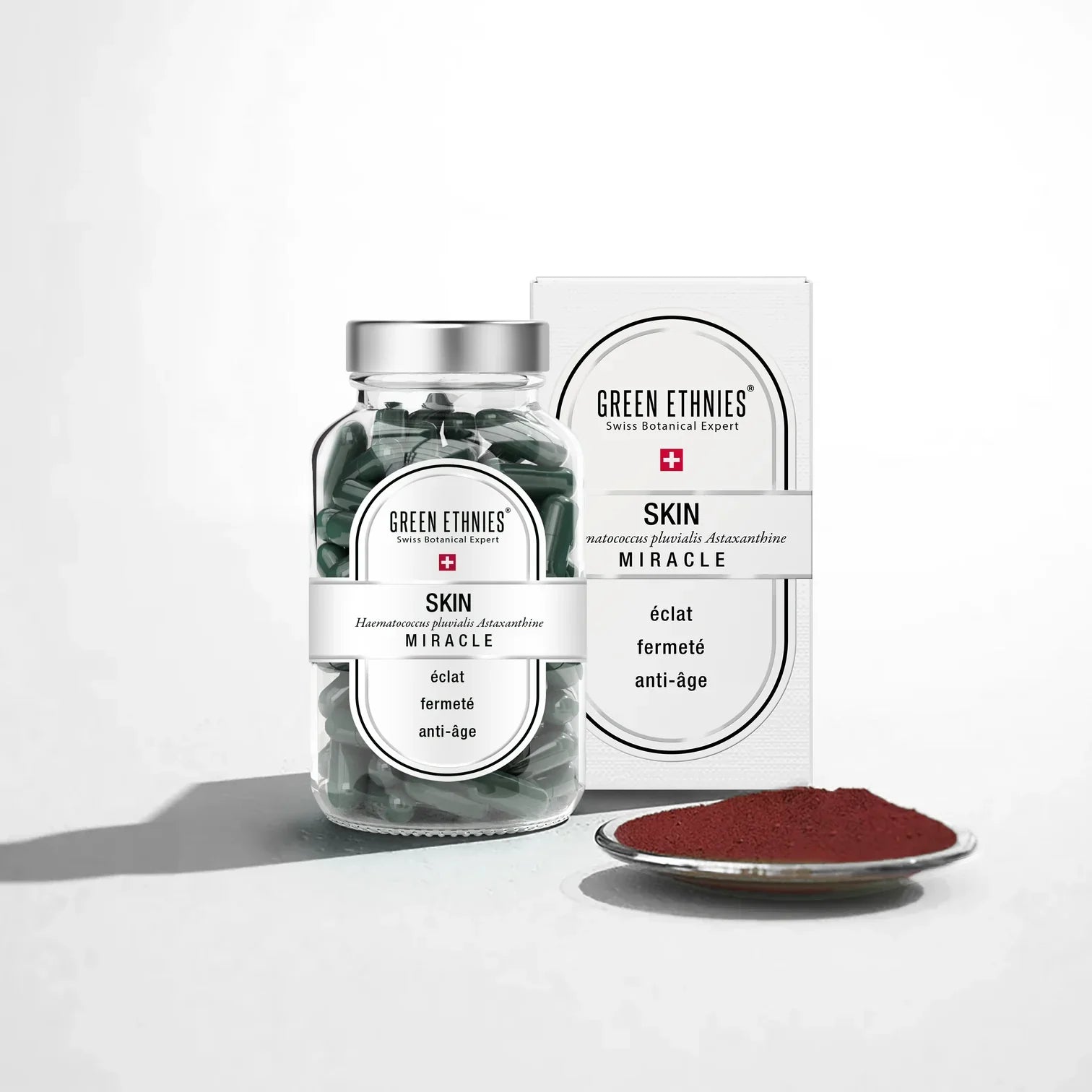
Green Ethnies CH, a recognized Swiss expert in high-quality extracts, understands the crucial importance of this approach. With certified organic products, powerful antioxidants, and free delivery, this company is committed to providing you with the best superfoods and vitamins to transform your health. In this comprehensive guide, we will explore how antioxidants can revolutionize your immune system and how to effectively integrate them into your daily life.
Understanding the Immune System: The Fundamentals
Before diving into the fascinating world of antioxidants, it is essential to understand how our immune system works. This complex and sophisticated system is composed of several organs, tissues, and cells that work together to protect your body against infections and diseases.
Key Components of the Immune System
Your immune system includes several essential elements. First, there are white blood cells, also called leukocytes, which are the soldiers of your immune system. These cells constantly patrol your body, looking for potential threats. There are several types of white blood cells, each with a specific role: T lymphocytes that destroy infected cells, B lymphocytes that produce antibodies, and macrophages that engulf invaders.
Then there is the thymus, a gland located behind your breastbone, which produces and trains T cells. The spleen, an organ located under your left rib, filters blood and produces white blood cells. Lymph nodes, scattered throughout your body, act as filtration stations that capture and eliminate pathogens. Finally, bone marrow produces stem cells that develop into white blood cells and red blood cells.
How the Immune Response Works
When a pathogen invades your body, your immune system triggers a cascade response. First, innate immune cells, such as macrophages and neutrophils, respond quickly to contain the threat. Then, if the threat persists, the adaptive immune system kicks in, producing specific antibodies and memory T cells that remember the invader for future encounters.
This process is incredibly complex and depends on many factors, including nutrition, sleep, stress, and exercise. This is where antioxidants play a crucial role. By protecting your immune cells from damage caused by free radicals, antioxidants allow your immune system to function at its full potential.
Free Radicals: The Silent Enemies of Your Health
To understand why antioxidants are so important, we must first understand what free radicals are and how they damage our body.
What is a Free Radical?
A free radical is an unstable molecule that has an unpaired electron. This instability makes the free radical extremely reactive, and it constantly seeks to steal an electron from another molecule to stabilize itself. This process, called oxidation, creates a chain reaction that can damage cells, proteins, and even DNA.
Free radicals are produced naturally by your body during normal metabolism. However, several external factors can significantly increase their production: air pollution, cigarette smoke, ultraviolet rays from the sun, alcohol, processed foods, chronic stress, and even intense exercise.
Damage Caused by Oxidative Stress
When the production of free radicals exceeds your body's ability to neutralize them, a state called oxidative stress develops. This oxidative stress is at the root of many chronic diseases, including cardiovascular diseases, cancer, diabetes, neurodegenerative diseases, and weakening of the immune system.
Oxidative stress damages cell membranes, interferes with cellular energy production, and can even cause genetic mutations. For your immune system, this means that your defense cells are damaged and less effective at fighting infections. It's a vicious cycle: a weakened immune system cannot effectively fight infections, which increases oxidative stress, which further weakens the immune system.
Antioxidants: Your Natural Warriors Against Free Radicals
Fortunately, nature has provided us with powerful molecules capable of neutralizing free radicals: antioxidants. These remarkable molecules are able to donate an electron to free radicals without becoming unstable themselves, thus stopping the destructive chain reaction.
How Antioxidants Work
Antioxidants work on a simple but powerful principle: they sacrifice their own electron to stabilize a free radical. Unlike free radicals, antioxidants remain stable even after losing an electron. This remarkable ability makes them incredibly effective at protecting your cells from oxidative damage.
There are several types of antioxidants, each with slightly different mechanisms of action. Some, like vitamin C, act directly by neutralizing free radicals. Others, like vitamin E, work by preventing the formation of free radicals. Still others, like the antioxidant enzymes produced by your body, repair the damage caused by free radicals.
The Main Types of Antioxidants
Antioxidant vitamins include vitamin C, vitamin E, and beta-carotene. Vitamin C, also called ascorbic acid, is a water-soluble antioxidant that protects the aquatic cells of your body. Vitamin E is a fat-soluble antioxidant that protects fatty cell membranes. Beta-carotene, a precursor to vitamin A, is a powerful antioxidant that gives many fruits and vegetables their orange color.
Antioxidant minerals include selenium, zinc, and copper. These minerals are essential for the production of antioxidant enzymes such as superoxide dismutase and glutathione peroxidase, which are among the most powerful antioxidants produced by your body.
Polyphenols are a massive class of antioxidants found in plants. They include flavonoids, phenolic acids, and stilbenes. These compounds are responsible for many vibrant colors of fruits and vegetables and offer exceptional antioxidant protection.
How Antioxidants Strengthen Your Immune System
Now that we understand how antioxidants work, let's explore how they specifically strengthen your immune system.
Protection of Immune Cells
Your immune cells, especially lymphocytes and macrophages, are extremely vulnerable to oxidative stress. These cells naturally produce free radicals as a weapon against pathogens, but they must also protect themselves against these same free radicals. Antioxidants provide this crucial protection, allowing your immune cells to function at their full potential.
When your immune cells are damaged by oxidative stress, they become less effective at recognizing and eliminating pathogens. They can even become dysfunctional and contribute to chronic inflammation. By providing antioxidants, you protect your immune cells and ensure they can do their job properly.
Reduction of Chronic Inflammation
Chronic inflammation is one of the greatest enemies of a healthy immune system. While acute inflammation is a necessary and beneficial immune response, chronic inflammation progressively weakens your immune system and contributes to many diseases.
Antioxidants play a crucial role in reducing chronic inflammation. They inhibit the production of inflammatory molecules such as tumor necrosis factor (TNF) and pro-inflammatory interleukins. By reducing chronic inflammation, antioxidants allow your immune system to focus on fighting real threats rather than wasting its resources on unnecessary inflammation.
Improvement of Natural Barrier Function
Your skin, mucous membranes, and intestinal lining form physical barriers against pathogens. These barriers are constantly exposed to free radicals and oxidative stress. Antioxidants strengthen these barriers by protecting the cells that compose them and maintaining their structural integrity.
A healthy intestinal lining is particularly important, as it houses about 70% of your immune system. When the intestinal lining is damaged by oxidative stress, bacteria and toxins can cross into the bloodstream, triggering an excessive immune reaction. Antioxidants help maintain the integrity of the intestinal lining, preventing this problem.
Support for Antibody Production
Antibodies are specific recognition molecules produced by your B cells to fight specific pathogens. Antibody production is a complex process that depends on many nutrients, including antioxidants. Antioxidants protect B cells from oxidative damage and support their ability to produce high-quality antibodies.
Antioxidant Superfoods: Nature at Your Service
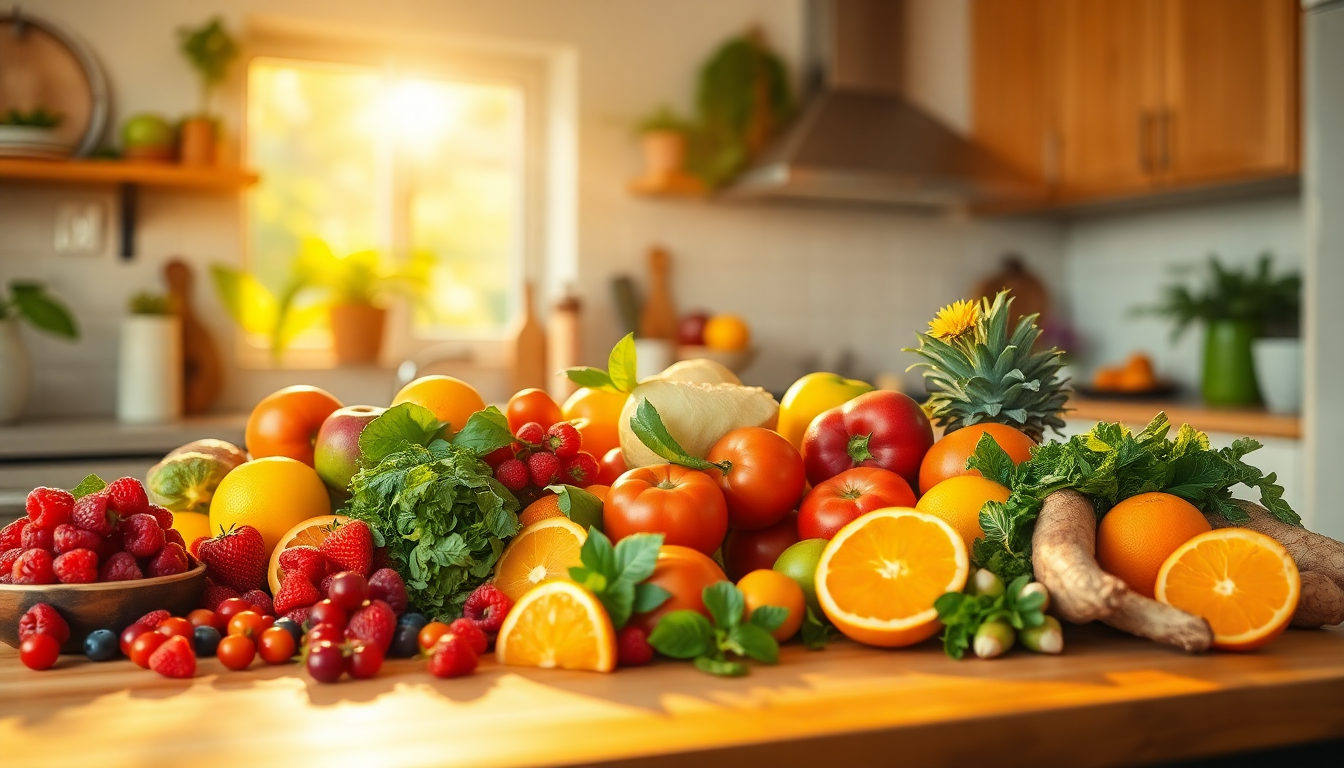
The good news is that nature is full of foods extraordinarily rich in antioxidants. These superfoods offer an exceptional concentration of antioxidants and other beneficial nutrients for health.
Berries: Antioxidant Bombs
Berries are among the foods richest in antioxidants. Blueberries, in particular, contain anthocyanins, powerful flavonoids that give berries their blue color. Scientific studies have shown that blueberries can improve cognitive function, reduce inflammation, and strengthen the immune system.
Strawberries, raspberries, and blackberries are also excellent sources of antioxidants. These berries contain vitamin C, ellagic acid, and other polyphenols that work together to protect your body against oxidative damage. Consuming a handful of fresh berries every day can make a significant difference in your immune health.
Leafy Greens: Nutritional Champions
Leafy greens like spinach, kale, and lettuce are nutritional goldmines. They contain not only vitamin C and beta-carotene but also lesser-known compounds like lutein and zeaxanthin, which are powerful antioxidants.
Kale, in particular, is an extraordinary superfood. A single cup of raw kale contains more than 100% of the recommended daily intake of vitamin C and vitamin K. It also contains glucosinolates, sulfur compounds that convert into isothiocyanates, extremely powerful antioxidants with anti-cancer properties.
Nuts and Seeds: Concentrated Sources of Nutrients
Nuts and seeds are concentrated sources of antioxidants, minerals, and omega-3 fatty acids. Almonds contain vitamin E, a crucial fat-soluble antioxidant. Walnuts contain polyphenols and omega-3 fatty acids that reduce inflammation. Sunflower seeds are rich in selenium, an essential mineral for the production of antioxidant enzymes.
Flaxseeds and chia seeds contain lignans, polyphenols with antioxidant and anti-inflammatory properties. A handful of nuts or seeds every day can provide significant antioxidant protection.
Green Tea: A Miraculous Beverage
Green tea is one of the richest antioxidant beverages. It contains catechins, powerful flavonoids that have been widely studied for their beneficial health effects. Studies show that green tea can improve immune function, redu