Bien-êtreNos actifs 06/03/2026
Oxidative Stress: Understanding Its Effects and the Nutrients That Protect Cells
Oxidative stress is one of the most significant and misunderstood biological phenomena of our time. Every day, our cells are exposed to invisible aggressions that can compromise our health and vitality. At Green Ethnies CH, we firmly believe that understanding this natural process is the first step towards better protecting our bodies. In this comprehensive guide, we explain what oxidative stress is, how it affects your body, and most importantly, how nutrients and superfoods can help you combat its harmful effects.
What is Oxidative Stress?
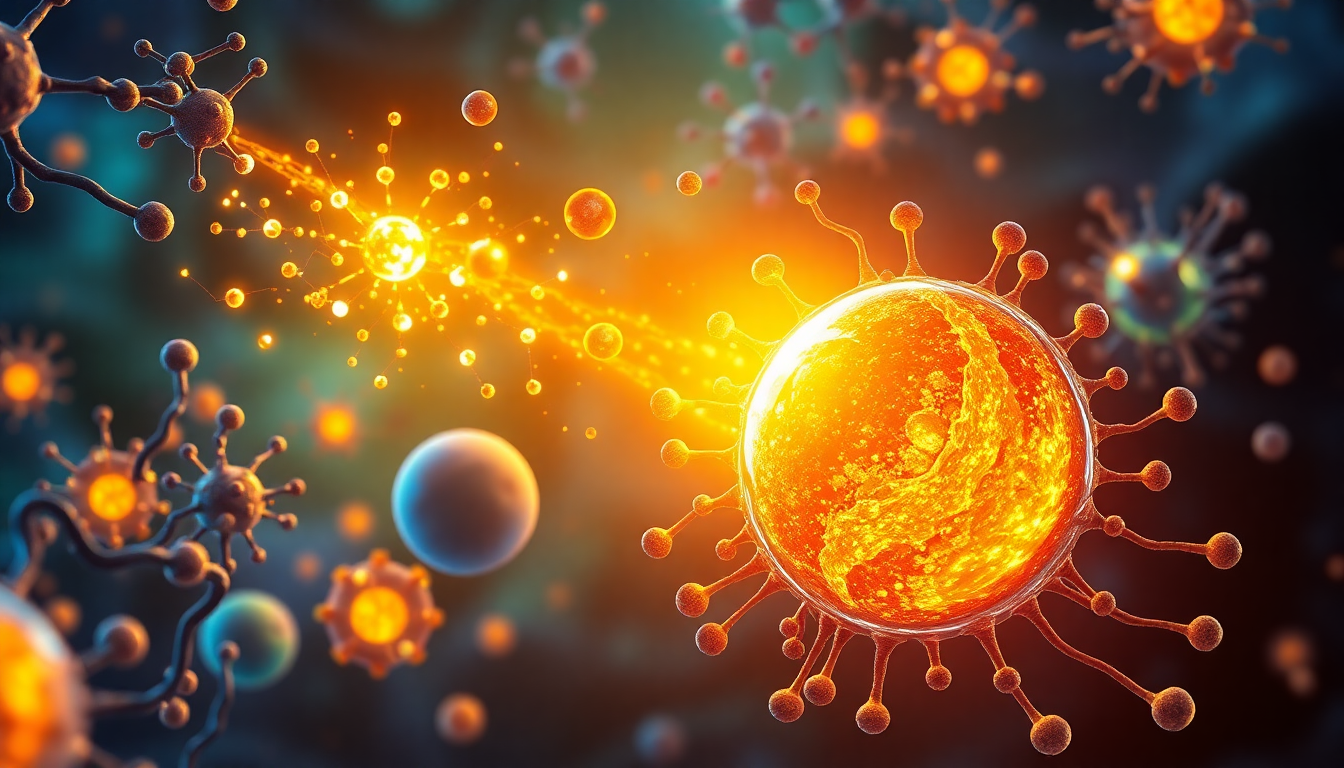
Oxidative stress is a chemical imbalance that occurs in our cells when the number of free radicals exceeds our body's ability to neutralize them. To understand this phenomenon, it's important to know the basics of cellular chemistry.
Free Radicals: Unstable Molecules
Free radicals are unstable molecules that have an unpaired electron. This instability drives them to seek an additional electron by attacking other molecules, thereby creating a destructive chain reaction. These molecules form naturally in our bodies during normal metabolic processes, but also in response to external factors such as pollution, ultraviolet rays, smoking, and an unbalanced diet.
Antioxidants: Our Cellular Defenders
Our body naturally possesses defense systems called antioxidants. These remarkable molecules have the ability to neutralize free radicals by donating the missing electron, without becoming unstable themselves. Endogenous antioxidants, produced by our body, include enzymes like superoxide dismutase, catalase, and glutathione peroxidase. However, when the production of free radicals exceeds the capacity of these natural defenses, oxidative stress sets in.
Sources of Oxidative Stress
Understanding where free radicals come from is essential to effectively combat them. Oxidative stress doesn't appear out of nowhere; it's the result of an accumulation of internal and external factors.
Internal Factors
Our normal metabolism generates free radicals as byproducts. Cellular respiration, energy production, and even controlled inflammation are processes that naturally generate free radicals. This is an unavoidable part of life. However, certain conditions can increase this production: psychological stress, intense exercise without adequate recovery, infections, and chronic diseases.
External Factors
The modern environment exposes us to numerous sources of free radicals. Air pollution, ultraviolet rays from the sun, cigarette smoke, excessive alcohol, and pesticides are all external sources. Moreover, a diet rich in processed foods, saturated fats, and refined sugars can significantly increase oxidative stress. Food additives, artificial colors, and preservatives also contribute to this oxidative load.
Health Effects of Oxidative Stress
Oxidative stress is not merely an abstract condition; it has very real and measurable consequences for our health. The damage caused by free radicals accumulates over time, affecting virtually every system in our body.
Premature Aging
One of the most visible effects of oxidative stress is premature aging. Free radicals damage collagen and elastin proteins in the skin, leading to the appearance of wrinkles, age spots, and a loss of elasticity. This process affects not only external appearance but also the internal structure of the skin, compromising its protective barrier function.
Cardiovascular Diseases
Oxidative stress plays a crucial role in the development of cardiovascular diseases. Free radicals damage arterial walls, promoting the accumulation of atherosclerotic plaques. They also oxidize LDL cholesterol, making it much more harmful to blood vessels. This cascade of damage increases the risk of heart attack and stroke.